
Vanderbilt to acquire CCA's San Francisco and Oakland campuses
On January 13, 2026, the California College of the Arts announced an agreement to sell its San Francisco and Oakland campuses to Vanderbilt University, leaving the future of the long-planned Oakland housing project less certain.
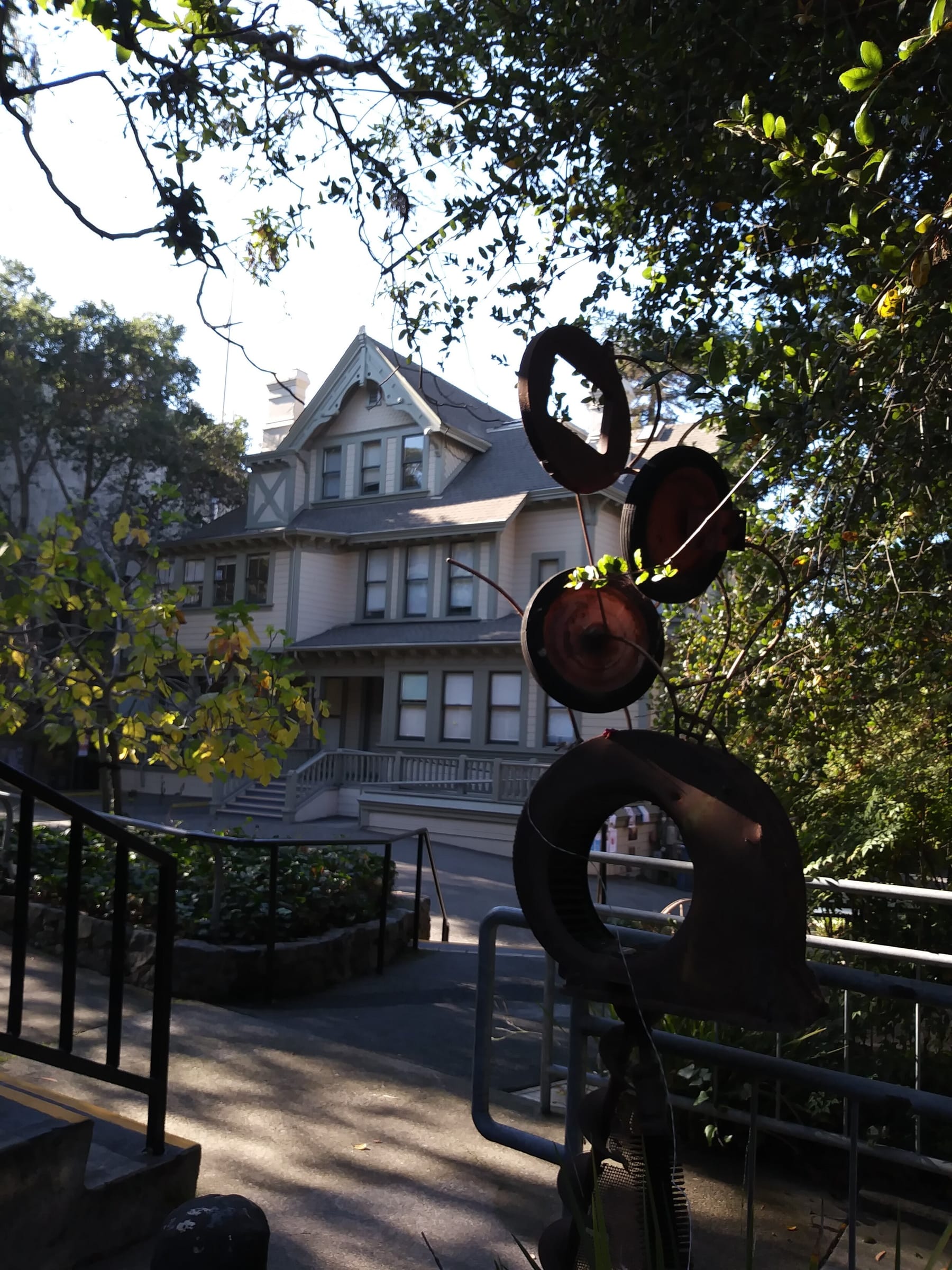
On January 13, 2026, the California College of the Arts (CCA) announced it has entered into an agreement to sell its San Francisco and Oakland campuses to Vanderbilt University. CCA will conclude operations by the end of the 2026–27 academic year.
From the January 14, 2026 San Francisco Chronicle:
Vanderbilt University’s expansion into the Bay Area reaches beyond the school’s purchase of the California College of the Arts’ longtime campus in San Francisco and includes a prominent campus in Oakland’s Rockridge neighborhood that has long been slated for a major housing development.
A spokesperson for Vanderbilt confirmed to the Chronicle that CCA has “contributed” its historic 4-acre Oakland campus as part of the blockbuster deal between the two institutions, which involves Vanderbilt buying CCA’s campus in Showplace Square near Mission Bay and filling it with 1,000 undergraduate and graduate students starting in 2027.
A plan to redevelop the vacant Oakland campus into housing was approved two years ago, but construction hasn’t begun. Whether the Oakland site’s future will involve housing appears a little less clear following its transfer to Vanderbilt.
“Plans for the Oakland campus have not yet been determined at this time,” Vanderbilt’s spokesperson told the Chronicle.
Marc Babsin, principal at the development company Emerald Fund, said his group has approvals to build 451 units on the site, which was entitled in 2024. Emerald Fund has an option to buy the site when it is ready to start building, but that doesn’t seem to be imminent. The option expires in four years, he said. “It was an arduous eight-year entitlement process, but the numbers just don’t work,” Babsin said. “It would cost more to build than it would be worth when it was done. We are hopeful that at some point it becomes feasible.”
Read the full story at the San Francisco Chronicle.